The current platform process for monoclonal antibody (mAb) and related therapeutic production is complex and cannot sustainably meet the global need. The demand for mAbs in high-income countries and the unmet need in low and middle income countries (LMICs) is large and growing. New disease targets for mAbs, including pandemic infectious disease, Alzheimer’s and high cholesterol, have patient populations at least 10x of the current anti-inflammatory and anti-cancer therapeutic mAbs. The shortage of tocilizumab for rheumatoid arthritis patients due to treatment of inflammation in Covid-19 patients during the pandemic highlighted current capacity limitations. About 80% of global mAb production is consumed by the US, Canada and Europe; even if sold at current cost of goods, $50 to $200/gram, mAbs are out of reach for most patients in LMICs.
The economic sustainability bottleneck for mAb manufacture is the protein A (ProA) affinity chromatography-based platform downstream process (DSP). Industrial process development thought leaders have suggested that upstream titer increases beyond 8 g/L may be pointless due to platform DSP limitations. The platform DSP also has poor environmental sustainability with process mass intensities typically >10,000 with the ProA capture step alone using on the order of a liter of buffer per gram mAb produced.
In a bid to sustainably meet the growing need for mAbs, including the economic, environmental and social dimensions of sustainability, we have developed a new, fully continuous, precipitation-based process for mAb downstream processing, drawing inspiration from the manufacturing process for blood plasma products. This new process can be significantly cheaper, greater in capacity, and less raw material-intensive than current mAb manufacturing technology. We’ll describe the genesis and evolution of the process, key process parameters, process performance in terms of mAb critical quality attributes and sustainability metrics, and the path forward
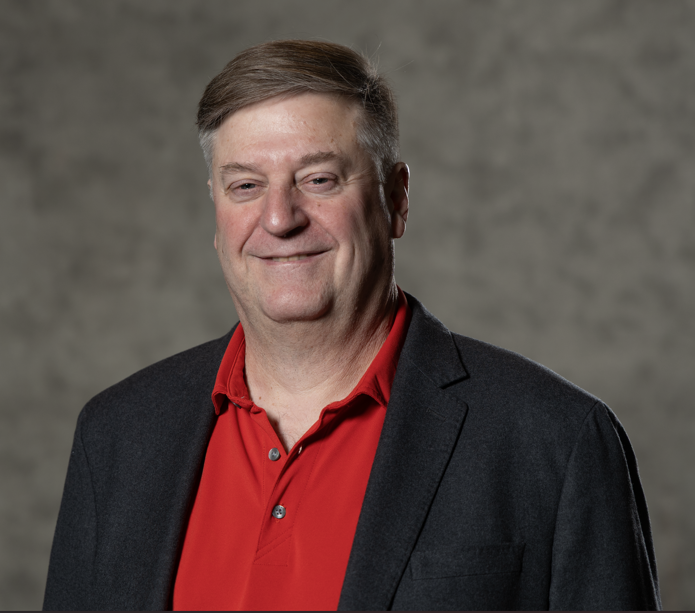
Todd M. Przybycien, PhD, is Professor and Department Head of Chemical and Biological Engineering at RPI. He earned degrees from Washington University in St. Louis and Caltech and began his career at Monsanto before academic appointments at RPI and Carnegie Mellon, where he founded the Biomedical Engineering Department. He returned to RPI in 2018 and became Department Head in 2025.
His research focuses on downstream biomanufacturing of biotherapeutics, developing purification technologies for proteins, mRNA, and viruses, with an emphasis on continuous processing. He is a fellow of ACS, AIChE, and AIMBE and has received numerous honors, including the NSF CAREER Award.