Research in Energy, Environment, and Smart Systems in CBE integrates chemical engineering fundamentals with environmental stewardship, circular economics, and advanced process intelligence. Faculty members are actively developing sustainable technologies to decarbonize industries, pioneer clean energy storage, mitigate waste, and monitor complex systems. This comprehensive research portfolio is organized around three major interests:
- Circular Bioeconomy and Waste Upcycling: A primary focus is placed on reducing reliance on fossil resources through biological and chemical innovations. Faculty are developing engineered microbial systems capable of converting waste plastics into high-value recombinant proteins and bioplastics, alongside researching polymer upcycling methods that operate efficiently in low-energy environments. To further combat environmental degradation, researchers are synthesizing biobased alternatives to fossil-derived commodities tailored for the textile, cosmetics, and personal care industries.
- Next-Generation Energy Storage, Catalysis, and Geochemistry: Innovation in materials and electrochemistry is driving cleaner energy transitions and environmental modeling. Faculty are spearheading the mechanistic understanding and design of crystalline and glassy inorganic solid electrolytes to enable safer, high-energy-density solid-state batteries. Research also explores symmetry-controlled photocatalytic systems utilizing spin-selective reaction processes for solar energy conversion, cell-free metabolic pathways coupled with electrochemical bioreactors for highly efficient biochemical generation, and the fundamental behavior of electrochemical reactions on semiconducting minerals in soil and ocean to understand their broader impact on global geochemical cycles.
- Thermal Transport, Smart Manufacturing, and Aerospace Systems: The department applies transport phenomena and control theory to enhance process efficiency and system resilience. This includes cutting-edge research into fundamental interfacial mass and heat transfer, nanoscale phase-change processes (such as evaporation, condensation, and directional solidification), and fluid/surface co-design. These transport principles are applied directly to MEMS devices for flow boiling and heat pipes operating under microgravity environments for aerospace applications and beyond. Simultaneously, faculty utilize advanced control theory to develop monitoring and automated fault-detection systems for energy-intensive industrial manufacturing, such as large-scale air separation processes.
By merging intelligent automation with molecular-level green engineering, CBE is establishing the foundational science and practical technologies required to build a cleaner, more sustainable, and energy-efficient future.
Representative research projects in this area are:
- The development of monitoring, fault detection and control of energy-intensive manufacturing processes, such as air separations (Bequette).
- Electrochemical reactions on semiconducting minerals in soil and ocean and their influence on geochemical cycles (Chakrapani).
- Designing metabolic pathways using biocatalyst and cell-free metabolic pathway engineering coupled with electrochemical bioreactors to generate various (bio)chemicals with high efficiency (Dordick).
- Mechanistic understanding and design of crystalline and glassy inorganic solid electrolytes for solid-state batteries (Gorai).
- Symmetry-controlled photocatalytic systems for energy applications, including spin-selective reaction processes (Kim).
- Polymer upcycling in low-energy environments (Lee).
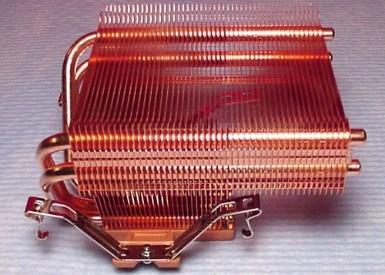
- Energy/Interfacial heat & mass transfer research toward fundamental interfacial transport processes, nanoscale change-of-phase processes (evaporation, condensation, directional solidification), fluid/surface design, MEMs devices for flow boiling, heat pipes under microgravity environments (Plawsky).
- Developing microbial systems that upcycle waste plastic into high value recombinant proteins and bioplastics (Zha).
- Creating biobased alternatives to fossil-derived commodities for textile, cosmetics, and personal care industries (Zha).
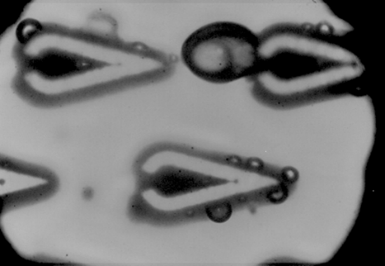
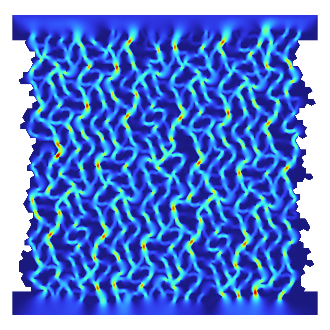
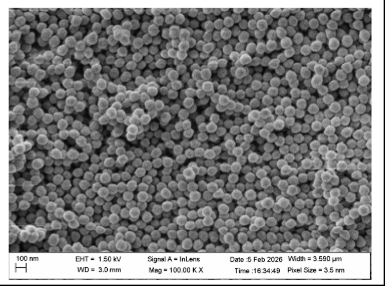
Piranha Pin Fins Flow Boiling
Heat Pipes
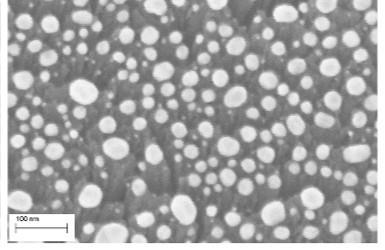
Au tipped Ti nanorod Catalytic Material
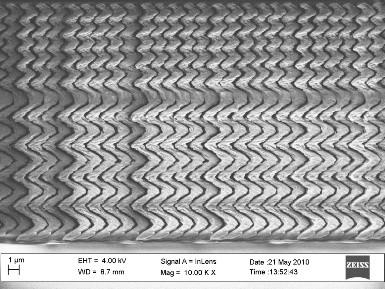
Nanospiral Terahertz Anti-Reflection Coating
Flow Through a Hypothetical New Membrane
Fused Microsphere Membranes