Research in Biotechnology and Life Sciences in CBE bridges the gap between fundamental molecular biology, advanced cellular engineering, and scalable biomanufacturing. By integrating experimental biology with process automation and materials research, faculty members are driving innovations that directly impact human health, therapeutic accessibility, and regenerative medicine. This dynamic research portfolio is organized into three major thematic areas:
- Next-Generation Bioseparations and Downstream Processing: A significant focus is placed on revolutionizing the purification of complex biologics to increase efficiency and reduce costs. Department is pioneering continuous, integrated bioprocessing workflows for monoclonal antibodies (mAbs), bispecific antibodies, adeno-associated viruses (AAV), and lentiviral vectors (LVV). Key breakthroughs include replacing costly commercial diffusive chromatographic beads with selective affinity peptide ligands grafted onto convective polymeric membranes to capture mRNA synthesis outflow, exploring novel aqueous two-phase mRNA capture systems, and developing smart biopolymer affinity precipitation systems. This includes a dedicated effort to lower self-amplifying RNA purification costs to make life-saving therapeutics accessible to low- and middle-income countries.
- Cellular, Tissue, and Interface Engineering: Faculty are utilizing biological systems at multiple scales to advance regenerative medicine and drug discovery. Utilizing cutting-edge 3D bioprinting platforms, researchers engineer functional human tissues to serve as regenerative implants and high-fidelity efficacy models for pharmaceutical development. At the cellular level, engineering efforts focus on controlling stem cell fate, accelerating drug screening, and identifying viral mechanisms for vaccine immune escape. Furthermore, innovations at the nano-bio interface utilize chirality-resolved biosensing to detect metabolic signatures, while studies on interfacial self-assembly by silk proteins are yielding biomedical coatings designed to prevent device fouling and enhance tissue integration. Metabolic and protein engineering for biocatalyst development, synthetic biology methods for genome editing are also core research thrusts.
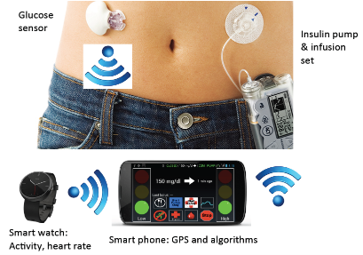
- Therapeutic Modalities, Delivery, and Process Automation: The department actively translates engineering principles into clinical solutions. This includes designing targeted drug delivery systems to bypass biological barriers in neurodegenerative and neurological disorders, as well as advancing neuromodulation therapies via magnetogenetics and the regulation of circadian rhythm pathways. Additionally, faculty are spearheading biocatalytic pathways to produce animal-free glycosaminoglycans—such as the widely used anticoagulant heparin—and leveraging automation and control theory to optimize medical devices, notably through automated insulin delivery systems for people with type 1 diabetes.
These technologies are supported by rigorous physical characterization, including fundamental studies on multimodal chromatography materials and the precise quantification of the phase behavior and viscosity of dense protein suspensions, ensuring a robust pipeline from molecular discovery to medical application.
Representative research projects in this area are:
- Automating a novel downstream process for monoclonal antibodies (mAbs) manufacturing (Bequette).
- Automated insulin delivery for people with type 1 diabetes (Bequette).
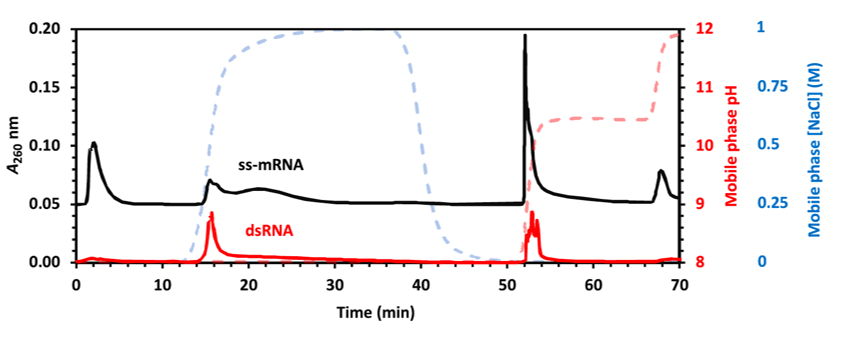
- Discovering, modeling, testing, characterizing and optimizing selective affinity peptide ligand binders grafted to convective polymeric membranes to remove large immunogenic impurities from mRNA synthesis outflow beyond costly and inefficient diffusive chromatic beads (Belfort).
- Reducing the purification cost of self-amplifying RNA as compared with current commercial methods for low- and middle-income countries (Belfort).
- Fundamental studies and discovery of novel multimodal chromatography materials and applications (Cramer).
- Smart biopolymer affinity precipitation systems for separation (Cramer).
- Adeno-associated virus (AAV) gene therapy downstream bioprocessing (Cramer).
- Lentiviral vector (LVV) downstream Bioprocessing (Cramer).
- Continuous mRNA bioprocessing and novel aqueous 2 phase mRNA capture (Cramer).
- Continuous and integrated bioprocessing (Cramer).
- Bispecific antibody downstream bioprocessing (Cramer).
- Production of animal-free glycosaminoglycans (GAGs), including the world’s highest volume anticoagulant, heparin, using biocatalysis (Dordick).
- Cellular Engineering to expand the repertoire of cellular control, accelerate drug discovery, control stem cell fate and function, develop 3D and spheroid cell culture platforms, and identify potential for immune escape from vaccines (Dordick).
- Neuromodulation research using (1) magnetogenetics; and (2) control of circadian rhythms pathways, both that can address potential therapeutic modalities in the future (Dordick).
- Nano–bio interface engineering for chirality-resolved biosensing, including detection of biomolecular chirality and metabolic signatures relevant to biomedical and biomanufacturing applications (Kim).
- Tissue Engineering using 3D bioprinting platforms to engineer human tissues with applications in regenerative medicine and efficacy models for drug discovery and drug development (Karande).
- Bioseparations: downstream purification of biologics with relevance to RNA therapeutics and gene delivery vectors by engineering peptide affinity ligands (Karande).
- Designing drug delivery systems to address challenges in therapeutic interventions related to neurodegenerative diseases and neurological disorders (Karande).
- Quantification and understanding of the phase behavior and viscosity of protein suspensions (Underhill).
- Investigating interfacial self-assembly by silk proteins to form biomedical coatings that prevent device fouling and improve tissue regeneration (Zha).
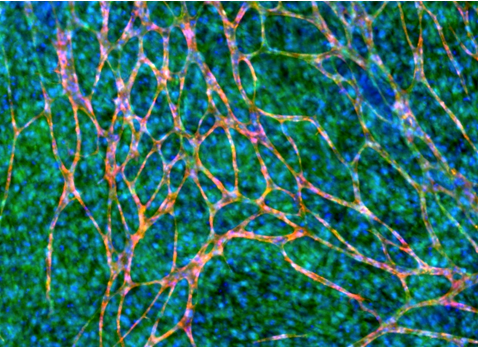
Engineered Full Thickness Vascularized Human Skin Tissue using 3D Bioprinting
Automated Insulin Delivery System
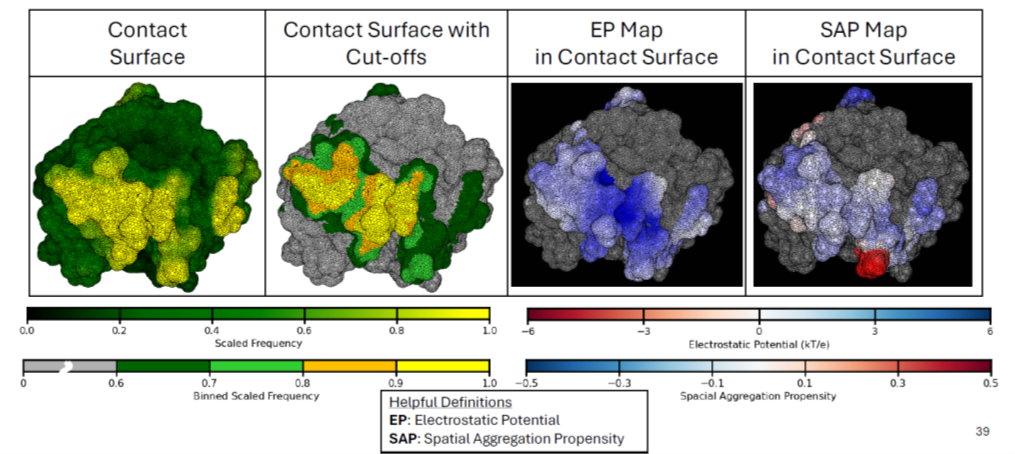
Extracting Novel Surface Property Descriptors within Predicted Protein Contact Surfaces
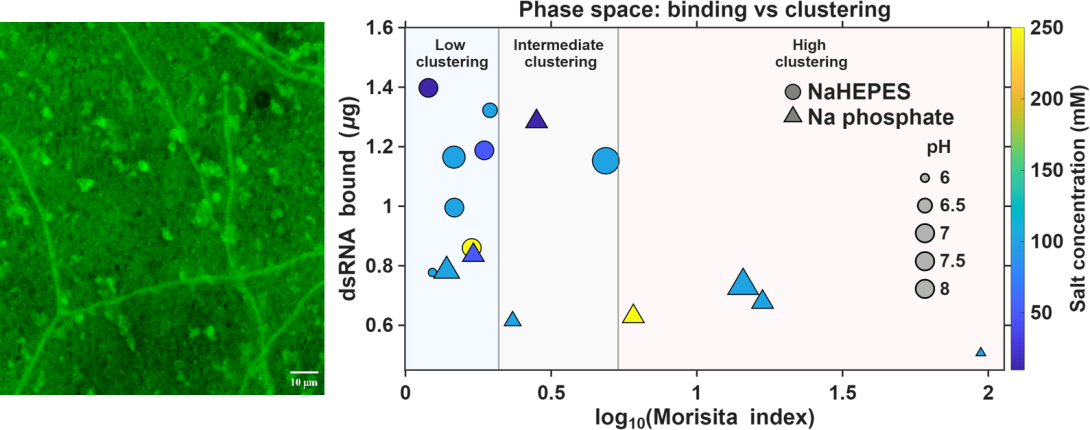
Peptide Ligand Grafting and Optimization
mRNA Separation Process and Optimization