Research in Advanced Materials and Nanotechnology in CBE lies at the intersection of molecular engineering, functional materials design, and fundamental transport phenomena. Faculty members leverage precise synthesis, advanced characterization, and multi-scale modeling to engineer next-generation materials that address critical global challenges in healthcare, clean energy, and computation technology. The advanced materials and nanotechnology research in the department is broadly categorized into three synergistic topics:
- Biomolecular Materials and Nanomedicine: Investigation focuses on the biophysics of protein and peptide interactions at interfaces to advance biomanufacturing and therapeutics. Key initiatives include utilizing single-molecule force measurements and confocal fluorescence microscopy to elucidate peptide-RNA binding mechanisms, developing novel peptide-based affinity ligands for viral vector (AAV) capture, and designing high-performance materials for the flow-through clearance of monoclonal antibody impurities. Furthermore, researchers are pioneering biomolecular defense mechanisms to engineer potent antibacterial and antiviral agents capable of sanitizing common infrastructure surfaces to combat microbial resistance.
- Functional Metamaterials, Electronics, and Energy Systems: Innovation in solid-state and optical nanomaterials driving the future of computing and clean energy. Faculty are designing novel wurtzite ferroelectrics for high-temperature and energy-efficient electronics, utilizing light-induced chiral synthesis to assemble photonic metamaterials with ultra-sensitive chiroptical responses for scalable metasurface patterning. Research also spans the design of functional polymeric materials tailored for the hydrogen economy, alongside the synthesis of silk-mimetic macromolecules via hybrid chemical and microbial routes.
- Polymer Engineering, Self-Assembly, and Transport Phenomena: Mastery of soft matter and transport mechanics enables the development of high-performance structural materials. This includes modeling and testing superior polymer filtration membranes that eliminate efficiency-robbing internal channels, as well as optimizing engineered membrane and catalytic systems using complex geometries—such as hollow fins and nanospirals—to manipulate transport. Additionally, efforts are directed at controlling the polymorphism and crystallization of organic compounds using polymeric nanoparticles, understanding the assembly of multi-material mixtures, and designing polymeric additives optimized for high-shear lubricating flows.
Underpinning these experimental breakthroughs are cutting-edge predictive frameworks. By combining classical-quantum computational workflows to model disordered materials with robust defect chemistry frameworks and electrocatalytic designs, the department continues to spearhead materials-level solutions for targeted applications ranging from CO₂ and PFAS conversion to next-generation data storage.
Representative research projects in this area are:
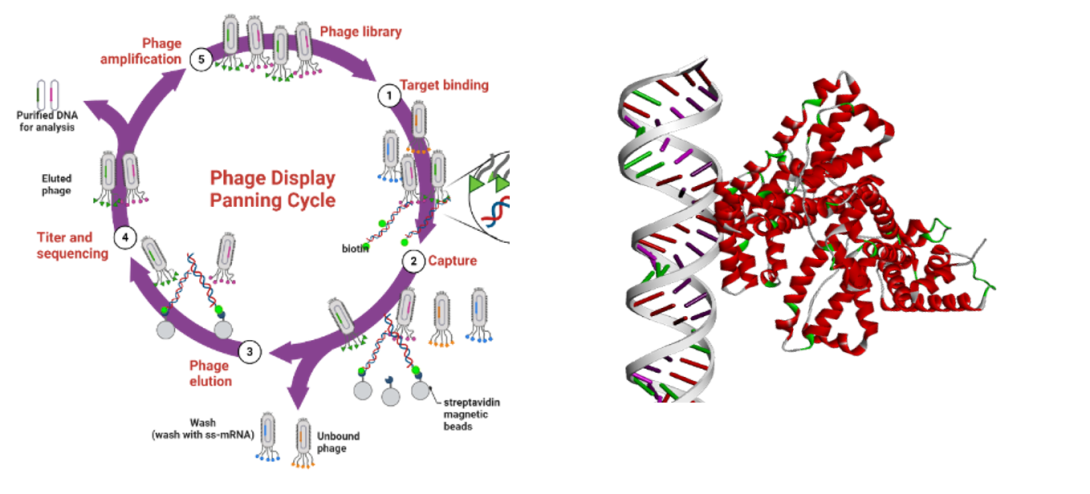
- Discovery of the mechanisms and enabling direct surface visualization of peptide-RNA binding using single molecule force measurements and confocal laser scanning fluorescence microscopy (Belfort).
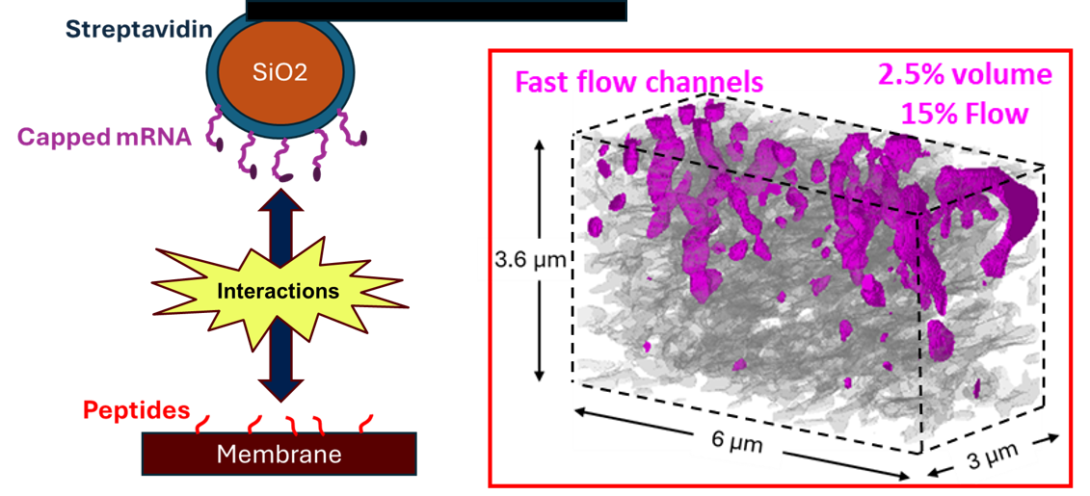
- Developing, modelling, and testing a new class of super-high performance polymer filtration membranes that obviates the formation of unwanted internal channels in commercial polymer membranes (Belfort).
- Design, synthesis, and characterization of catalytic materials for electrochemical applications in CO2, water, and PFAS (per- and polyfluoroalkyl substances, often known as forever chemicals) conversion (Chakrapani).
- Biophysics of protein interactions with surfaces, ligands, and proteins (Cramer).
- Novel materials for flow through clearance of mAb product and process related impurities (Cramer).
- Novel peptide-based affinity ligands for Adeno-associated virus (AAV) capture (Cramer).
- Biomolecular Engineering of Antibacterial and Antiviral Agents by exploiting nature’s biological defense mechanisms to combat microbial and viral infections, overcome bacterial resistance mechanisms, and applying our approach to surfaces within common infrastructures, including hospitals, schools, food processing facilities, etc. (Dordick).
- Design of novel wurtzite ferroelectrics for energy-efficient computing and data storage, and high-temperature electronics (Gorai).
- Development of hybrid classical-quantum workflows for modeling multi-body interactions in disordered materials (Gorai).
- Development of predictive frameworks for defect chemistry in functional materials (Gorai).
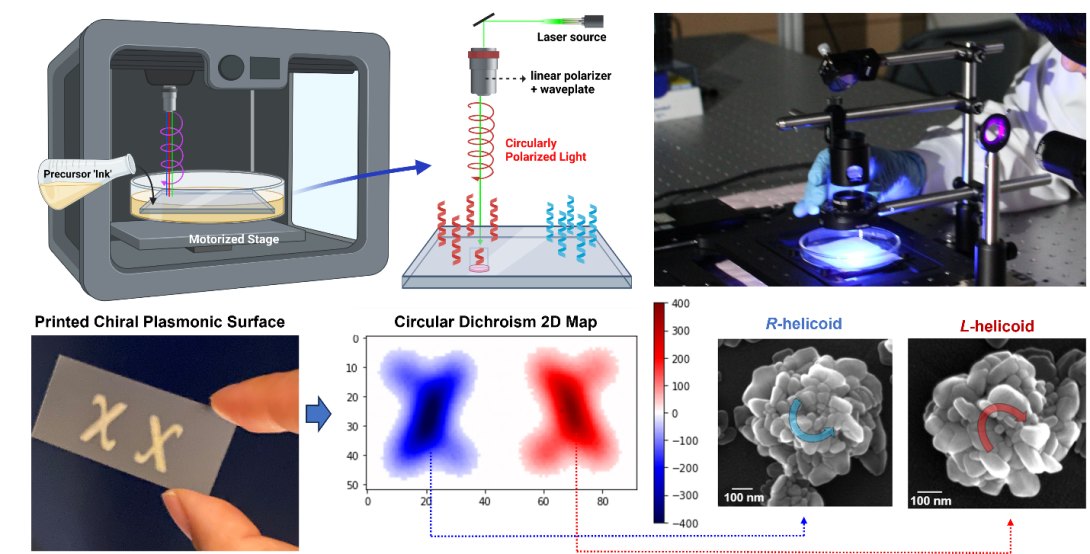
- Light-induced chiral synthesis and assembly of optical nanomaterials for scalable metasurface patterning with precise chirality control (Kim).
- Chiral photonic metamaterials for ultra-sensitive chiroptical responses and polarization-dependent optoelectronic functionalities (Kim).
- Nanoparticle–polymer composite materials with symmetry-controlled multiscale architectures for programmable structural functionalities and mechanical metamaterials (Kim).
- Design, synthesis, and characterization of functional polymeric materials for energy applications associated with the hydrogen economy (Lee).
- Controlled crystallization of organic compounds using polymeric materials (Lee).
- Understanding of the polymorphism in organized materials using model polymeric nanoparticles (Lee).
- Investigation and development of engineered, high-performance membrane and catalytic systems. Use of stochastic structures, hollow fins, nanospirals and other structures to understand how geometry affects transport (Plawsky).
- Understanding the assembly of mixtures of materials (Underhill).
- Design and characterization polymeric additives for high shear lubricating flows (Underhill).
- Synthesizing silk-mimetic macromolecules by chemical and microbial approaches (Zha).
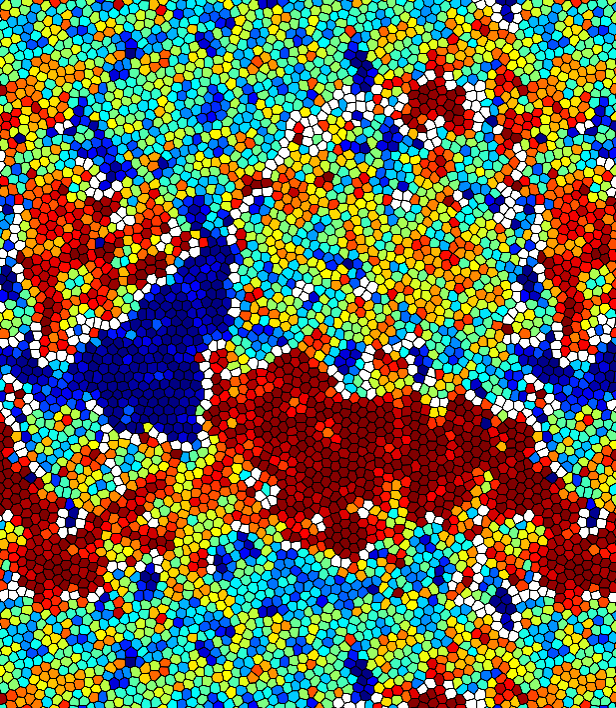
Simulated Assembly of Soft Particles into Crystalline Domains
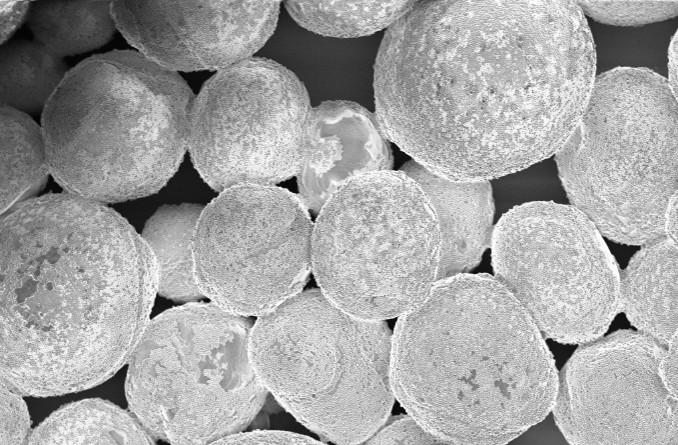
Colloidosomes Created by the Coating of Wax Droplets with Colloidal Particles
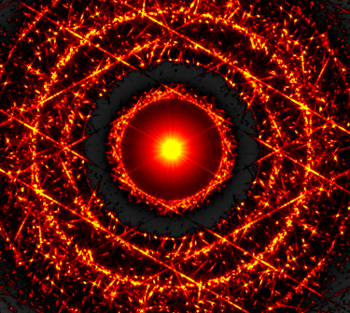
Simulated 2D Scattering Pattern Representing Polymorphic State of Close-packed Lattices
Direct Writing of Chiral Plasmonic Nanostructures using Circularly Polarized Light–induced Photochemical Reduction.
Peptide-Ligand Interaction Discovery
Intermolecular Forces and Transport in Membranes